
Every week, a few people leave our practice without a surgery date. That doesn’t mean they had a bad consultation. More often than not, it’s the opposite: the most valuable thing they took home that day was a “no”, or a “not yet”. In aesthetic surgery, half of a good result is made in the operating theatre. The other half is made in the consultation room, when it’s decided who will not have which operation.
This article explains when a plastic surgeon declines or postpones an operation, why, and what a “no” usually means in practice. It’s the kind of text we’d like everyone considering surgery to read before booking an appointment.
In this article
First, the basic question: why doesn’t a surgeon operate on everyone who asks?
From the outside, the logic seems simple: the patient wants it, pays for it, and the surgeon can do it. Why not? Because aesthetic surgery is not surgery that treats a disease. You put a healthy person on the operating table to make them look better. That doesn’t reduce the responsibility; it increases it. In an operation nobody needs, the balance between risk and benefit has to tip unmistakably towards benefit.
Three things upset that balance. The first is safety: the operation or the anaesthetic carrying a higher-than-normal risk for this particular patient. The second is quality of result: the operation being technically possible but not going to look good on this body. The third is expectation: the result in the patient’s mind not matching the result surgery can deliver. Each of the nine situations below falls into one or more of these three categories.
Not performing an operation I could perform is sometimes the best operation I can do.Something we say often in the consultation room
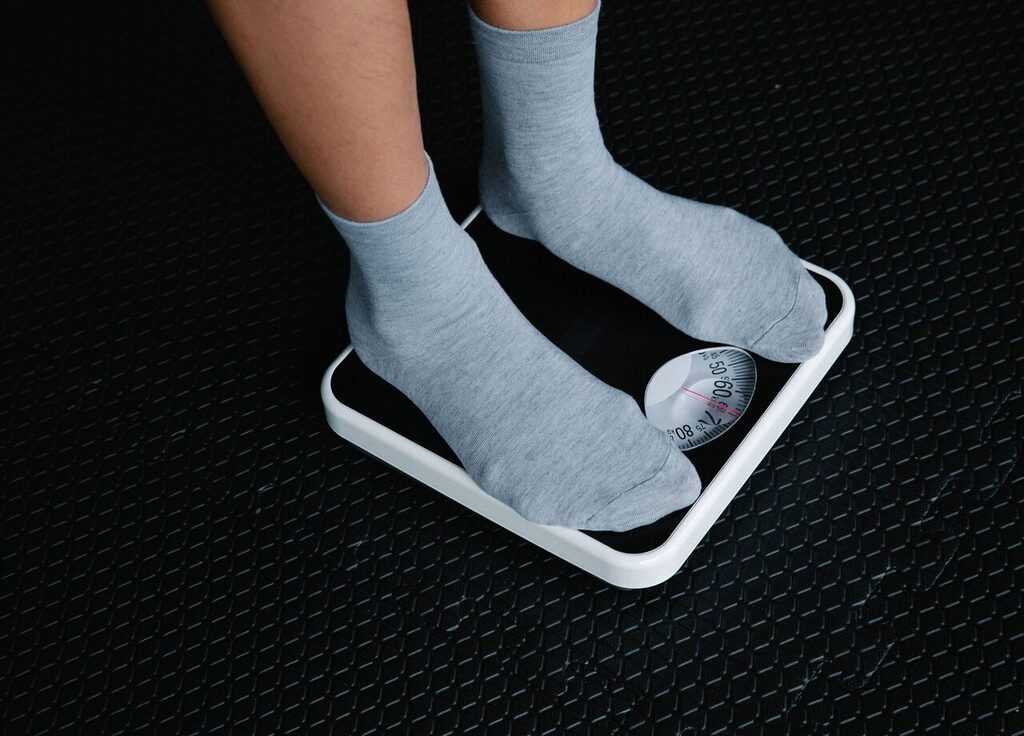
If your weight is still moving
Every body-contouring operation, meaning liposuction, tummy tuck, arm and thigh lift, is planned on a stable body. Do a tummy tuck on someone still losing weight and every five kilos lost afterwards comes back as new sagging. Do liposuction on someone still gaining weight and the fat removed settles somewhere else within a few months.
Beyond that, there’s a safety dimension. Once the body mass index rises above thirty, wound breakdown, infection, clots and anaesthetic complications all increase noticeably. Above thirty-five we don’t perform most aesthetic operations; between thirty and thirty-five we decide case by case, and usually recommend a few months of weight management first. The answer here is almost never “no”. It’s “let’s do this first, and then we’ll do that operation far better.”
If you smoke and have no intention of stopping
Nicotine constricts the small vessels that feed the skin. In operations where skin is lifted over a wide area, such as facelift, tummy tuck and breast lift, those vessels are already under strain; add nicotine and the skin can’t get enough blood, wound edges can open, and in the worst case a piece of skin can be lost. This is one of the most distressing complications we see in aesthetic surgery, and almost all of it happens in smokers.
So our rule is clear: no nicotine product of any kind, including cigarettes, e-cigarettes and nicotine patches, for at least four weeks before and four weeks after surgery. “I only have two or three a day” doesn’t change the rule; even one cigarette narrows the vessels for hours. We don’t perform skin-lifting operations on patients who won’t agree to stop. With procedures like liposuction, which affect skin circulation less, we’re slightly more flexible, but smoking prolongs healing there too.

If you have a condition that isn’t under control
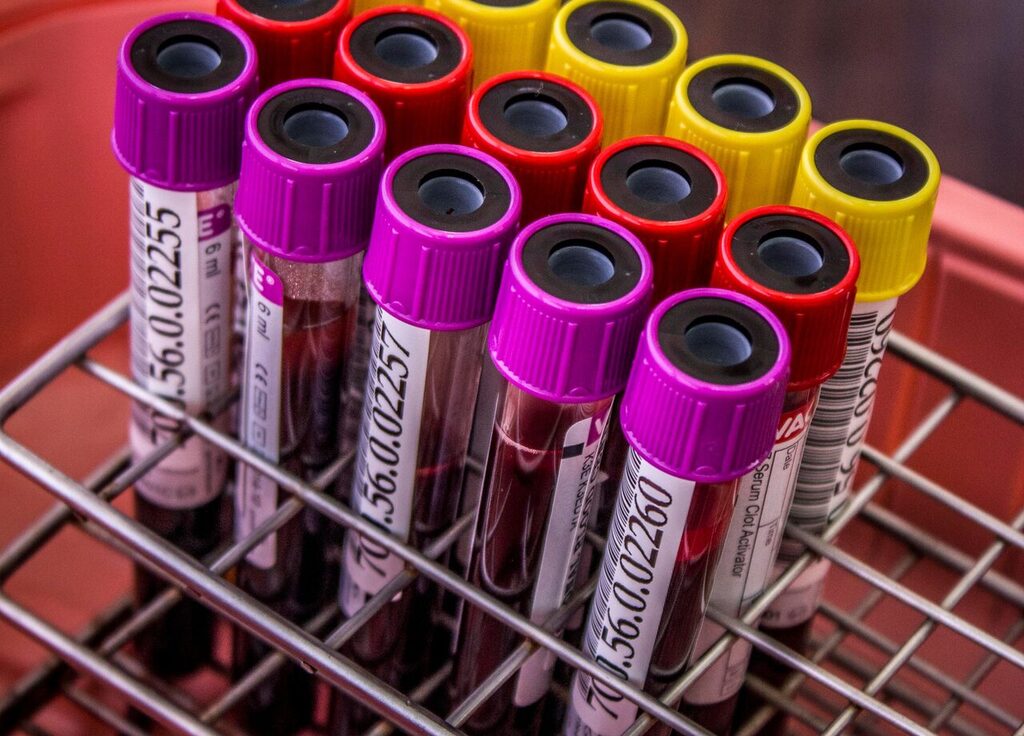
Diabetes itself isn’t a barrier; uncontrolled diabetes is. If the HbA1c, which reflects the three-month blood sugar average, is above seven, we ask for adjustment by a physician first, because of the effect on wound healing and infection risk. The same applies to blood pressure: in a patient who takes medication irregularly and whose pressure swings, the risk of bleeding goes up.
Thyroid disorders, bleeding and clotting disorders, uncontrolled autoimmune disease, recent cardiac events and certain psychiatric medications also change the plan. None of this means “you can never have surgery.” What it means is: first your blood tests and the relevant specialist’s clearance, then the operation. The pre-operative tests we request aren’t a formality; the number of patients whose date we’ve postponed because of a single value in those tests is not small.
If you’re pregnant, breastfeeding or planning a child soon
No aesthetic surgery is done during pregnancy; that hardly needs saying. The less familiar part is what comes after. Once breastfeeding ends, we wait at least six months for the breast tissue to settle; otherwise the breast we plan is a completely different breast six months later. For a tummy tuck we want at least a year since the birth and no further pregnancies planned, because a new pregnancy reopens the repaired abdominal muscles.
What do we say to the patient who tells us “I’m thinking about one more child, but in two or three years”? Honestly, this: leave the tummy tuck until after that child, but there’s no need to wait for the breast or the face. Not every operation has the same relationship with pregnancy, so the answer differs by operation.
If the age isn’t right
In Turkey, aesthetic surgery is not performed on anyone under eighteen, apart from medical indications such as a marked deformity. Beyond the legal limit there’s a biological reason too: in most women breast development continues into the early twenties, and an implant placed at eighteen may meet a different breast at twenty-two. That’s why we talk longer with patients between eighteen and twenty-one, and sometimes suggest waiting a year or two.
At the other end, the limit isn’t calendar age but health. A facelift on an active seventy-year-old with no illnesses is safer than one on a sixty-year-old with uncontrolled heart disease. Here the decision is made by the anaesthetic assessment and overall health, not by the date of birth.
If your expectation doesn’t match your body
To the patient who arrives with a photo on her phone we always say the same thing: “The person in that photo has a different shoulder width, height, rib cage and skin from yours. Even with the same implant, the result won’t be the same.” That isn’t a refusal, it’s a translation. We try to translate what the patient likes into the closest version possible in her own anatomy.
Sometimes that translation isn’t possible. A very large implant on a narrow chest, aggressive liposuction on very thin skin, a scarless lift on a severely sagging breast: such requests can’t be met anatomically. In that case we explain what can be done, with its scars and its limits. If the patient accepts that, we go ahead; if she says “I still want it like the photo,” we don’t operate. Because we already know she won’t be happy at the end of that operation.

If someone other than you wants the operation
One of the questions we ask in the consultation is: “How long have you been thinking about this, and how did you reach the decision?” If the answer is “my husband wants it,” “my mother insists” or “my friends have had it done,” we stop and talk. If the person whose body is about to be permanently changed doesn’t want it herself, she won’t be able to live at peace with that change, however good the result.
In recent years social media has been added to this. Expectations formed through filtered photographs don’t fit within the limits of a real face or body. To understand whether a patient has come of her own accord, we sometimes ask for a second meeting, and sometimes talk to her alone, without a companion. This isn’t about interrogating the patient; it’s about leaving everyone who is trying to decide on her behalf outside the room.
If we think there’s a problem with body image
This is the most delicate point in the article. Some patients come for a flaw no one else can see: a millimetre of asymmetry, a line studied for hours in the mirror, a nose operated on three times before and still “not fixed.” In what we call body dysmorphic disorder, the problem isn’t in the body but in how the body is perceived, and surgery doesn’t correct that. On the contrary, every operation becomes the start of the search for a new flaw.
When we recognise this, we don’t operate; we recommend a psychiatric assessment, gently but clearly. It isn’t an easy conversation; some patients don’t want to hear it and go to another doctor. We say it anyway, because keeping a scalpel away from this patient is the only right thing we can do. Repeated requests for revision, constant complaints about previous surgeons, and happiness after surgery that lasts a few weeks and then fades are the signs that make us think about this.
If the timing is wrong
The patient is suitable, the operation is suitable, but the moment isn’t. For patients who come right after a divorce, the loss of someone close, a job change or a major life decision, we suggest postponing the operation by a few months. Decisions made in the middle of great emotional upheaval can look different once the upheaval has passed. Surgery is permanent; emotions aren’t.
There are practical timing problems too. We don’t do a facelift on a patient whose wedding is in two weeks, because she’ll be at the wedding with bruises. A tummy tuck isn’t right for someone leaving on a beach holiday in a month, because sun and sea spoil scar healing. In these cases we don’t say “no”; we say “come back in three months and we’ll do it then.”
What does “no” actually mean?
If you look closely at the nine situations above, you’ll notice that almost none of them carry a definitive “never.” Most of the time, “no” means one of three things.
The first is “not now”: weight, smoking, test values, breastfeeding and timing can all be corrected. We give the patient a written list of conditions. When the blood sugar average drops below seven, when smoking has been stopped for six weeks, when weight has held steady for three months, we meet again. Most of these patients come back a few months later and have a far safer operation.
The second is “not this, but that”: the requested operation isn’t suitable, but there’s another option. Liposuction for the patient who asked for a tummy tuck, a lift for the patient who asked for implants, a non-surgical method for the patient who asked for surgery. A good share of our consultations end with a plan different from the operation the patient came in for.
The third is the real “no”: cases where the expectation can’t be met, where there’s a body image problem, or where the decision doesn’t belong to the patient. These are few, but they’re the most important. Not operating on these patients is the hardest and most necessary part of the profession.
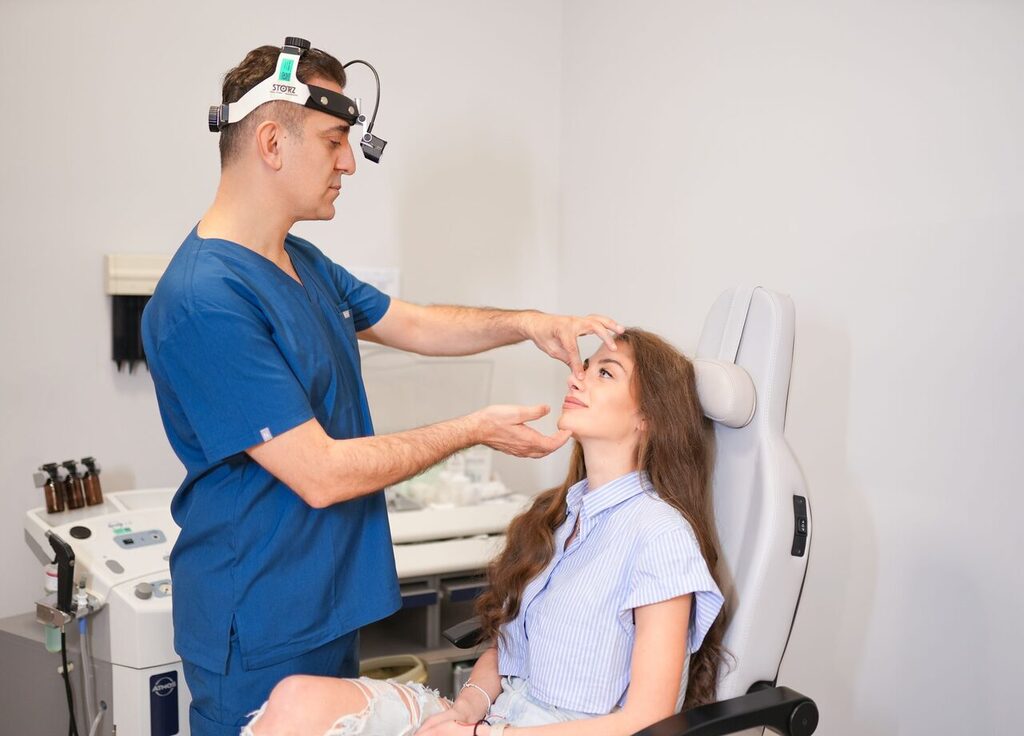
Ask yourself before the consultation
If you can comfortably answer “yes” to all of the questions below, you’ll most likely leave the consultation with a surgery date. If you get stuck on a few, come anyway; talking those questions through together is exactly what the consultation is for.
- My weight has been stable for at least six months and is close to my target.
- I don’t smoke, or I’m ready to stop a month before surgery.
- My chronic conditions are under control and I take my medication regularly.
- I have no pregnancy plans in the next year or two, and I finished breastfeeding at least six months ago.
- I’ve been thinking about this operation for at least six months and the decision is mine.
- Other people can see the thing I want to change, and I can describe it.
- There’s no wedding, holiday or major life change in the next three months.
- I’m ready to hear and accept the limits and the scars of the operation.
A final word: a surgeon who says “no” is not bad news
A surgeon telling you “let’s not do this operation” or “it’s too early” isn’t the answer most patients expect. But when you hear it, consider this: the doctor across from you chose to protect you rather than sell you an operation. Finding a place that does everything for everyone isn’t hard; what’s hard is finding someone who will tell you when, and what, shouldn’t be done. Leaving the consultation empty-handed is sometimes far better than leaving the operating theatre with a bad result.
Let’s work out together what’s right for you
Send your photographs or come in for a consultation. At the decision stage, an honest assessment matters as much as the operation itself.
Frequently Asked Questions
What is the body mass index limit for aesthetic surgery?
In patients with a body mass index below thirty, most aesthetic operations can be performed safely. Between thirty and thirty-five the decision is made case by case, and weight management is usually recommended first. Above thirty-five, body-contouring operations are mostly postponed because of the complication risk.
How long before surgery do I need to stop smoking?
For operations that involve lifting skin, meaning facelift, tummy tuck and breast lift, no nicotine product of any kind, including cigarettes, e-cigarettes and nicotine patches, should be used for at least four weeks before and four weeks after surgery. Even a few cigarettes a day narrow the vessels and impair wound healing.
How long after childbirth and breastfeeding can I have aesthetic surgery?
Breast operations are planned at least six months after breastfeeding ends, and a tummy tuck at least a year after the birth, provided no further pregnancy is planned. For facial operations, no additional waiting period is usually needed once breastfeeding has ended.
Can people with diabetes have aesthetic surgery?
Yes, if the diabetes is under control. The HbA1c value, which reflects the three-month blood sugar average, is expected to be below seven. In uncontrolled diabetes wound healing is delayed and the infection risk rises; in that case the condition is adjusted with a physician first.
What should I do if a surgeon refuses to operate?
First ask for the reason. Most refusals actually mean “not now” or “not this, but that,” and depend on a correctable condition. If the reason concerns expectation or body image, taking that assessment seriously is wiser than looking for another place that will do the same operation. A second opinion is always your right, but if the second opinion gives the same answer, that is a sign.