Patients coming out of liposuction always ask the same first question: “When will I see the result?” The second is just as predictable: “Is this swelling normal?” The two answers are linked. Liposuction does not end on the operating table; it starts when you get off it. Once the fat is removed, the body works on its own for six months: it swells, settles, hardens, softens and finally takes shape. This article is the calendar of those six months: what you will feel on which day, what to do in which week, and in which month you will look in the mirror and think “that’s it”.
We based it on the recovery guide we give patients in our practice. Every body heals at its own pace, and the times below are averages. The order, however, does not change: first swelling, then firmness, then shape.
In this article
- The first 48 hours: drainage, pain and the compression garment
- The first week: peak swelling and bruising
- Weeks two to four: firmness, numbness, lymphatic massage
- Months two and three: the shape emerges
- Month six: the final result and how long it lasts
- Clear dates for the garment, walking, water, exercise and swimming
- What is normal and which signs mean you should call your doctor
A short explanation first: why does the body swell so much after liposuction?
The cannula creates hundreds of fine tunnels in the fat beneath the skin. When those tunnels empty, the body sends fluid into them; that is a normal part of wound healing. Add the tumescent fluid given during surgery and the result is that, a few days after the operation, the treated area can look even fuller than before. This is the moment patients panic most, and the least necessary panic of all. The swelling is water, not fat, and water leaves.
Fat cells do not return to the area they were removed from. But to see that area’s final shape, the swelling has to clear completely, the space between skin and underlying tissue has to close, and the skin has to adapt to the new volume. These three steps, one after another, take six months.
Fifty per cent of a liposuction result is decided in theatre and fifty per cent in the six weeks that follow. The patient does the second half.The first thing we say at discharge
The liposuction recovery timeline
Most of our patients go through the five stages below in this order. The number of areas treated, the amount of fat removed, age and skin quality can lengthen or shorten them; they do not change the order.
The first 48 hours: drainage, pain and the first walk
You leave theatre wearing the garment, with small dressings over the cannula entry points. In the first 24 hours a pink, watery fluid seeps from these holes. It is not blood; it is the surplus of the fluid given during surgery, and it is good that it drains, because fluid that drains does not stay as swelling. We put absorbent pads on the bed and under the garment; a damp sheet on the first night is normal.
Pain is less than most patients expect. It feels like muscle soreness after a hard workout, noticeable when touched or when getting up. Simple painkillers are enough. We ask you to get up the same evening and walk slowly around the house. This lowers the risk of clots, speeds up the clearing of fluid and stops you feeling like an invalid. Staying still in bed does not speed recovery; it slows it.
Days 3 to 7: peak swelling and bruising
Swelling peaks between the third and fifth day. The area feels tight, shiny and firm to the touch. Bruises are darkest on the same days and, with gravity, drift downwards: towards the groin if the abdomen was treated, towards the knee if it was the thigh. That creates the fear that “the bruise is spreading”; in fact it is dispersing and fading.
There are three rules this week. The garment stays on and comes off only for the shower. You drink at least two litres of water a day; the body needs fluid to clear fluid, which is physiology, not a contradiction. Salt is kept low; salt holds water, and the day after a salty dinner the swelling is visibly worse. Most patients return to a desk job at the end of the first week.

Weeks 2 to 4: firmness, numbness and lymphatic massage
In the second week the swelling starts to go down, but something else takes its place: firmness. Under the skin you feel an uneven, sometimes lumpy tissue that aches a little when pressed. This is the emptied tunnels filling with healing tissue, and it is the most misunderstood stage of liposuction. Patients ask whether “the fat has come back” or “it has been left uneven”. No; this firmness softens and disappears by the third month.
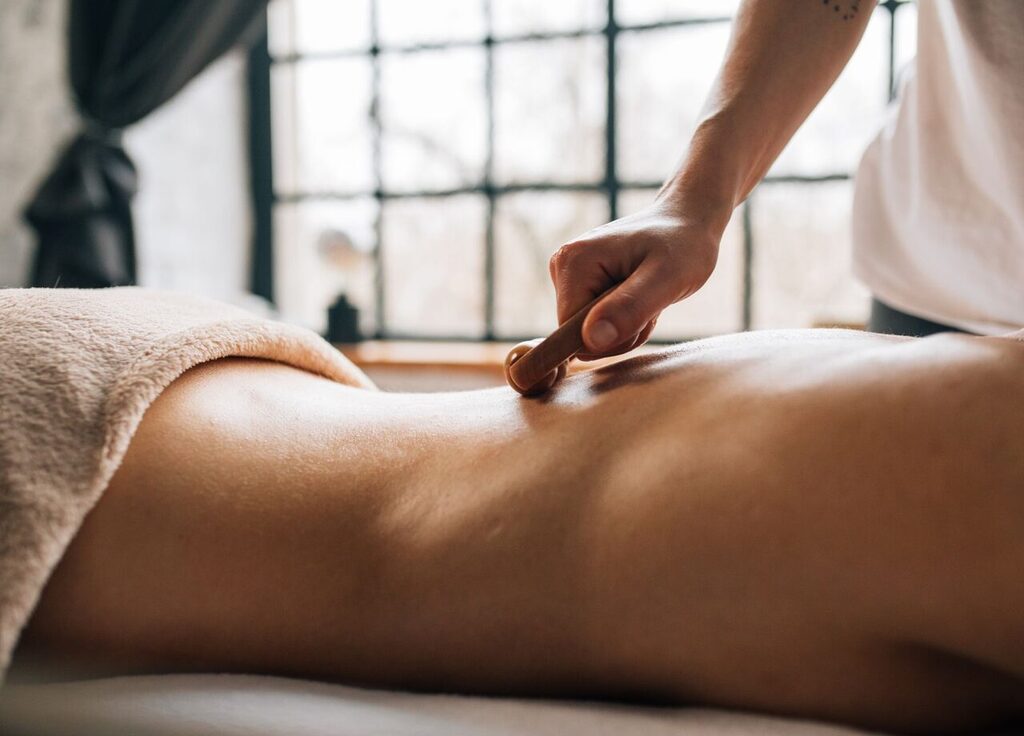
In the same period the treated area may be numb, tingly or, the opposite, oversensitive. Small nerve endings in the cannula’s path have been affected; sensation takes two to six months to return. Lymphatic drainage massage, started in these weeks, is the most effective way to soften the firmness and clear swelling quickly. Two or three sessions a week, six to ten in total, are enough. The massage must be gentle and directional, not firm; an ordinary body massage can do harm at this stage.
Months 2 and 3: the shape emerges
By the end of the sixth week the garment period is over and about seventy per cent of the swelling has gone. This is the first “that’s it” moment: old trousers are loose and the waistline becomes visible. The result is not finished yet, though. The skin is still adapting to the new volume underneath; swelling still varies between morning and evening, and on days spent standing the area fills up towards evening.
This is when exercise resumes. Walking and light cycling are fine from the second week; running, weights and abdominal exercises start after the sixth. Exercise speeds up lymph flow and so helps the last of the swelling clear. A slightly uneven skin surface and small asymmetries are normal; we do not judge them in the third month, because most settle on their own.

Month 6: the final result
By the sixth month the swelling has gone, the firmness has softened and the skin has settled onto the new volume. We take before-and-after photographs in this month, because only now is the comparison fair. In some patients, especially in areas with slower lymph flow such as the legs and back, it takes nine months. Most of the small irregularities seen in the third month are gone by the sixth; if any remain, a correction is not planned before this point.
From here on the result is permanent. Removed fat cells do not come back. The remaining cells can grow, however; with a gain of more than five or six kilos the body stores fat in the untreated areas, and while the treated area stays relatively protected, neighbouring areas fill. In other words, liposuction does not replace weight control; weight control protects the result of liposuction.
The dates patients ask about most
Every patient asks the same questions, and we give the same answers. The times below apply to an uncomplicated recovery; your surgeon’s personal instructions always come first.
How long is the garment worn? Day and night for the first three weeks, off only for showering. For the next three weeks at least twelve hours a day; most patients wear it at night. After six weeks it is optional; wearing it on long days on your feet reduces swelling.
When can I shower? Usually on the second or third day, once the cannula holes have stopped seeping. Baths, the sea and pools are off limits until the holes have fully closed, at least two weeks and often three. In summer operations this is the rule most often broken, and the most common cause of infection.
When can I go back to work? A desk job after one week, a job on your feet after two, heavy physical work after four to six. Driving is possible from the fourth day if you are off painkillers and can move freely enough to brake suddenly.
When can I exercise? Walking from day one. Brisk walking and light cycling from the second week. Running, weights, Pilates and abdominal exercises from the sixth week. Swimming once the holes have closed, usually from the third week.
When will I see the result? The first clear difference at six weeks, the final shape at six months. The difference between month three and month six is bigger than patients expect, so do not judge the result at three months.

What speeds recovery up, and what slows it down?
Four things speed recovery up, and all four are free: movement, water, the garment and sleep. Short but frequent walks every day keep lymph flowing. Water and low salt clear swelling. The garment settles the skin. Seven or eight hours of sleep is what tissue repair needs. Add lymphatic massage and the process becomes visibly shorter.
The four things that slow it down are just as clear. Smoking narrows the vessels and cuts the tissue’s oxygen; it prolongs recovery, increases skin irregularities and raises the risk of infection. It should be stopped at least two weeks before surgery and not resumed for six weeks after. Alcohol increases swelling and bruising in the first two weeks. Salty and processed food prolongs swelling. Inactivity means both clot risk and swelling. And then the sun: bruising in the treated area exposed to sun can leave a lasting dark mark, so the area is kept out of the sun for the first two months.
What is normal, and when to call your doctor
Much looks alarming after liposuction yet is normal: seeping on the first day, swelling that increases in the first week, bruises that drift downwards, firmness and lumps after the second week, numbness lasting months, swelling that rises in the evening, temporary waviness of the skin. None of these on its own is a cause for concern.
Five signs, however, mean you should contact your surgeon the same day. A temperature above 38 °C. Pain and redness in one area that keep increasing and do not respond to painkillers. One-sided swelling, pain or warmth in the calf; this can be a sign of a clot. Shortness of breath or chest pain. And swelling in one area that keeps growing, feels wavy and gives a sense of fluid when pressed; this is a fluid collection called a seroma, easily drained with a needle, but it does need draining. For anything outside these five, you can wait for your next check-up.
Your recovery timeline at a glance
- Days 1 and 2: garment on, seeping from the holes, short walks around the house.
- Days 3 to 7: peak swelling and bruising; two litres of water, little salt, showers allowed.
- Weeks 2 to 4: firmness and numbness begin; lymphatic massage; brisk walking; back to a desk job.
- Week 6: garment period ends, exercise begins, first clear result.
- Month 3: firmness softens; small irregularities settle by themselves.
- Month 6: final result; comparison photographs; any correction is planned after this point.
Three things to know before surgery
First, the result of liposuction depends on how well the recovery rules are followed. Same surgeon, same technique, same body type: the patient who takes the garment off after three days and the one who wears it for six weeks get different results. Second, the amount of fat removed is not the same as the quality of the result. Removing a lot of fat in one session prolongs recovery and raises the risk of skin irregularities; liposuction is a shaping method, not a weight-loss method. We explain this distinction in our article comparing liposuction and tummy tuck.
Third, skin quality decides the result. Skin that has lost its elasticity and sags does not tighten when the fat beneath is removed; it looks emptier. For these patients liposuction alone is the wrong operation, and we say so openly in consultation. You can read which patients are not offered which procedure, and why, in this article. How the few millimetres of scar at the cannula entry points look after a year is covered in our article on surgical scars.
Frequently asked questions
When does swelling go down after liposuction?
Swelling peaks on days three to five and begins to go down from the second week. About seventy per cent is gone by week six and ninety per cent by month three. The last swelling clears by month six.
How long should the garment be worn after liposuction?
Day and night for the first three weeks, off only for showering; then at least twelve hours a day for three more weeks. Six weeks in total. After that, wearing it on long days on your feet reduces swelling but is not required.
Is firmness normal after liposuction?
Yes. From the second week an uneven, lumpy firmness forms in the treated area; this is the emptied tunnels filling with healing tissue. It softens with lymphatic massage and largely disappears by the third month.
When will I see the result of liposuction?
The first clear difference shows at six weeks. The final shape appears at six months, and in areas with slower lymph flow such as the legs and back, at nine months. Judging the result at three months is misleading.
Does fat come back after liposuction?
Removed fat cells do not come back. The remaining cells grow with weight gain, however; with more than five or six kilos gained, neighbouring areas can fill. The only way to keep the result is to keep your weight.
When can I exercise after liposuction?
Walking from day one, brisk walking and cycling from the second week, running, weights and abdominal exercises from the sixth week. Swimming is allowed once the cannula holes have closed, usually from the third week.
Is lymphatic massage necessary after liposuction?
It is not essential, but it clearly speeds up recovery; it softens firmness and clears swelling earlier. It starts in the second week; two or three sessions a week, six to ten in total, are enough. Do not have a firm massage from someone who is not trained in it.
When can I go in the sea after liposuction?
Once the cannula entry holes have fully closed, so at least two and usually three weeks after surgery. Going into the sea or a pool too early is the most common cause of infection. The bruised area should also be kept out of the sun for the first two months.
Do you have a question about your recovery?
If you are planning liposuction, we draw up your personal recovery calendar together in consultation. If you have had surgery and are unsure about a symptom, contact us without waiting for your next check-up.