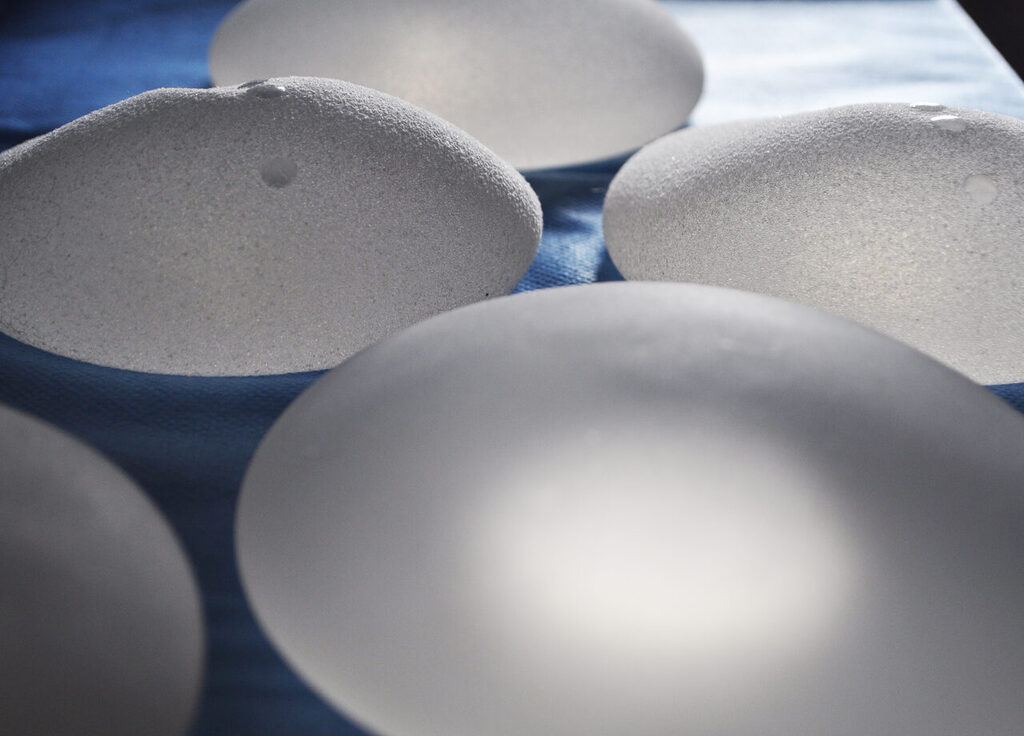
Almost everyone considering breast augmentation has heard the same sentence from someone they know: “You have to replace the implants every ten years.” It’s so widespread that patients arrive at the consultation worrying not about the operation, but about the second one a decade later. Women who had surgery years ago call with the same anxiety: “Mine are nine years old, are they about to expire?” In this article we’ll explain where this rumour came from, how long implants actually last, and when replacement is genuinely necessary.
Do silicone implants have an expiry date?
Short answer: no. The silicone implants in use today carry no expiry date, and there is no rule that says they must be swapped every ten years. The leading manufacturers offer a lifetime warranty against structural failure such as rupture. As long as an implant isn’t causing a problem, it can stay where it is; we have patients living perfectly comfortably with the same implants after twenty or twenty-five years.
So where did the ten-year myth come from? It has two sources. The first is the implants of the 1990s. The thin-shelled, liquid-gel implants of that era really did rupture more often, and patients of that generation were advised to consider replacement at intervals. The second is a warning the US Food and Drug Administration has repeated for years: “Breast implants are not lifetime devices; the longer you have them, the greater the chance of complications.” That sentence is true, but it does not say “replace them at ten years.” Over time, in everyday conversation, the two got muddled together and turned into a schedule.
What do the real numbers say?
To be fair, the numbers don’t say “never touch them” either. According to the long-term follow-up studies of the major manufacturers, somewhere between a quarter and a third of women who have cosmetic breast augmentation undergo a second operation for some reason within the first ten years. The rate varies by brand and by study. But the crucial point is this: a large share of those operations happen not because the implant failed, but because the patient’s preference changed. Women who want to go bigger or smaller, and those who add a lift after pregnancy, are all counted in that figure.
So reading “a third have surgery again within ten years” as “a third have a ruptured implant within ten years” is wrong. The correct reading is that over ten years the great majority of women never touch their implants, and the rest have a revision, usually by choice and sometimes for a medical reason.
Situations that call for replacement
The decision to replace is based on findings, not on the calendar. Let’s go through the reasons we most often see in the consultation room, one by one.
First comes capsular contracture. The body wraps a thin membrane around any foreign object placed inside it, implants included. This is normal and usually goes unnoticed. In some patients, however, this membrane thickens and shrinks, squeezing the implant. The breast becomes firm, rides upwards, and in advanced stages becomes painful and misshapen. In mild stages we simply monitor; in advanced stages the capsule has to be removed and the implant renewed.
Second is rupture. With old-generation implants, a rupture was obvious because the gel inside spread. Today’s cohesive gel implants keep their shape even when torn; we call this a “silent rupture.” The patient feels nothing, the breast looks the same, but the shell’s integrity is gone. That is why imaging checks matter. A rupture that has been detected isn’t an emergency, but it does call for replacement within a reasonable time.
The third reason is rippling, meaning the implant becoming palpable through the skin. Particularly in slim patients with thin tissue, as the breast tissue thins over the years the edges of the implant can become visible or palpable. This isn’t a medical problem, but if it bothers the patient cosmetically, options include adding fat grafting, moving the implant under the muscle, or changing the type of implant.
Another is displacement. Over time an implant can slide downwards, drift outwards, or the two implants can creep towards each other at the midline. In most cases the implant itself is intact; the problem is the pocket. The pocket is repaired and the implant is usually renewed at the same time.
And the reason we see most often yet talk about least: the breast has changed, the implant hasn’t. Pregnancy, breastfeeding, weight gain and loss, and the years themselves change breast tissue. The implant stays put while the tissue over it sags, and the breast looks “dropped.” There is nothing wrong with the implant here; the solution is a lift, and the implant is usually renewed at the same time, because leaving a ten-year-old implant in place when the surgical field is already open makes little sense.
How do you know whether there’s a problem?
There are signs you can notice yourself: one breast becoming firmer than the other, a change in shape, an upward shift, sudden swelling, new pain or burning around the implant, or rippling in the upper part of the breast. If you notice any of these, come in for an examination without waiting.
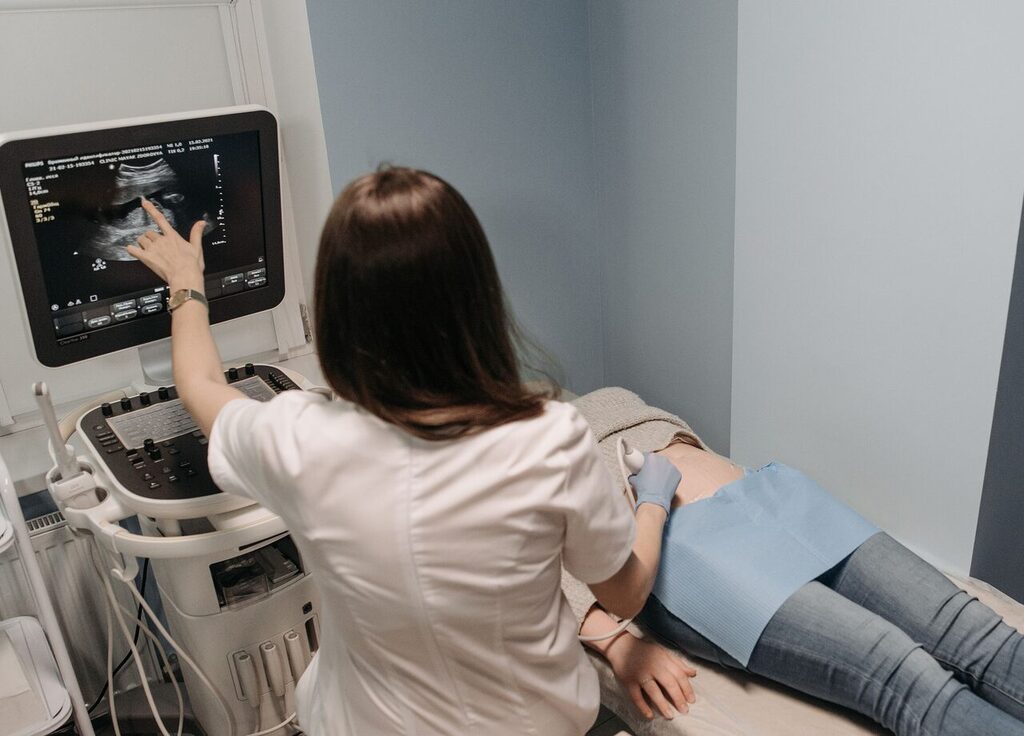
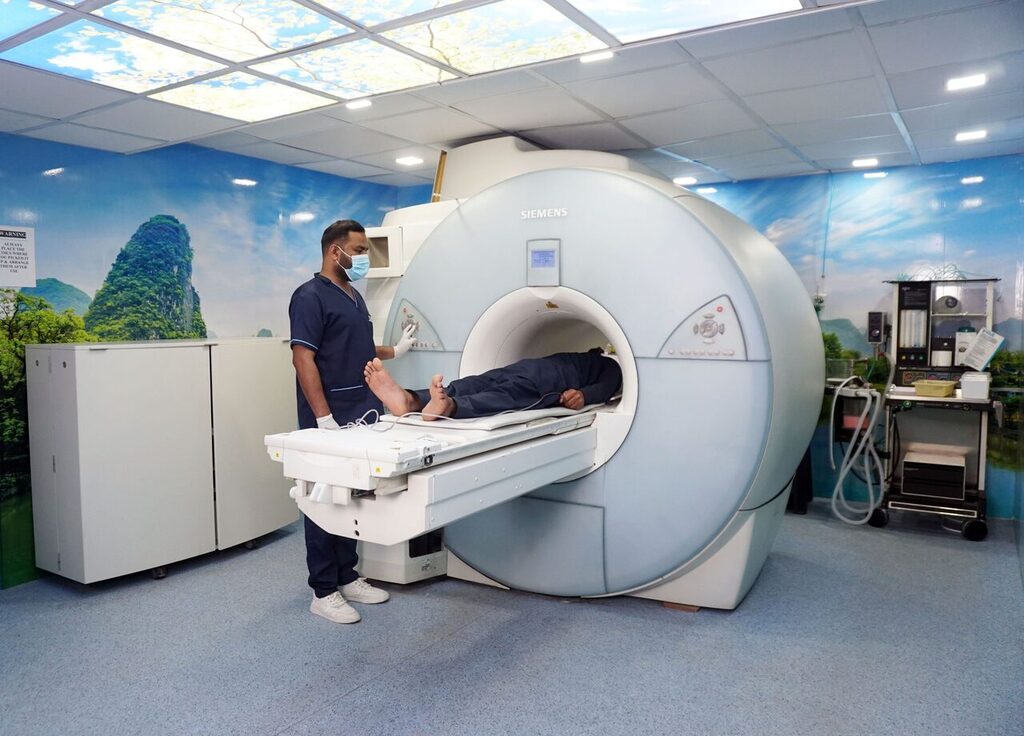
But a silent rupture, as the name says, produces no symptoms. That’s why we recommend regular imaging even when nothing feels wrong. The FDA’s current guidance for silicone gel implants is a first screening scan five to six years after surgery, then every two to three years after that. There are two methods: ultrasound and MRI. Ultrasound is quick, inexpensive and sufficient in most cases; when there’s a suspicious finding or a more definitive answer is needed, we move to MRI. MRI remains the most reliable way to detect a rupture.
One more thing worth adding: implants are not an obstacle to breast cancer screening. Mammograms can still be done; you just need to tell the technician you have implants, because extra views are taken using special positioning. Don’t let implants disrupt your screening programme after forty.
Surface type, and a rare risk you should know about
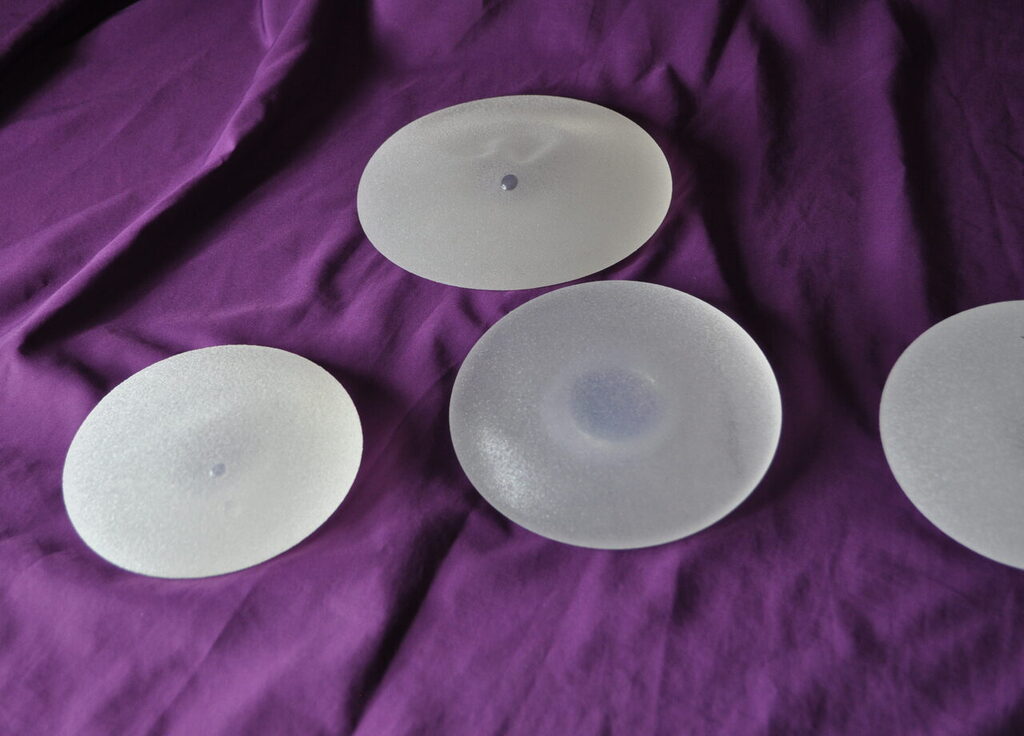
Implants are divided by surface into smooth and textured. Textured surfaces were widely used for many years because they help the implant stay in position. In 2019, certain products were withdrawn from the market because of a rare type of lymphoma associated with one particular coarsely textured surface. This disease is extremely rare and usually presents years after surgery as a sudden build-up of fluid and swelling in one breast. When caught early, it is largely treated by removing the implant and its capsule.
We’re not writing this to cause alarm, but for a practical reason: if you have the card showing your implant’s brand and serial number, keep it. Knowing which surface type you have makes it easier for us to decide how often you should be checked. If you don’t have the card, you can request the record from the institution where you had surgery. Removing a trouble-free textured implant for this reason alone is not recommended; follow-up is enough.
Habits that extend an implant’s life
There isn’t much you can do for the implant itself, but there is plenty you can do for the tissue around it. Keeping your weight stable delays the breast tissue sliding and sagging over the implant. Wearing a high-support bra during exercise, especially for running and anything involving jumping, prevents the pocket from stretching. Smoking is counted among the factors that raise the risk of capsular contracture; one more reason to quit. And most importantly, don’t skip the annual check-up. Most problems are solved with a minor procedure when caught early and turn into a major operation when caught late.
Is replacement surgery harder than the first one?
This is the question patients dread most, and the answer is usually reassuring. A straightforward exchange, meaning there’s no capsule problem and only the implant is being renewed, is easier than the first operation. We go in through the same scar, the pocket is already there, and because the tissue has already been stretched there’s less tightness and less pain. Recovery is generally shorter than the first time.
If the capsule has to be removed, a lift added or the pocket repaired, the procedure grows and recovery resembles the original operation. Some patients at this point choose to have the implants removed altogether without replacing them; that is a perfectly valid option too, and it can be combined with fat grafting or a lift if needed.
Rather than summing up, let’s put it this way: there’s no need to write “implant replacement” in your diary for ten years from now. What you should write is “check-up once a year, first scan after five years.” As long as there’s no problem, your implants stay with you; and if a problem does arise, those check-ups are exactly how it gets caught early.