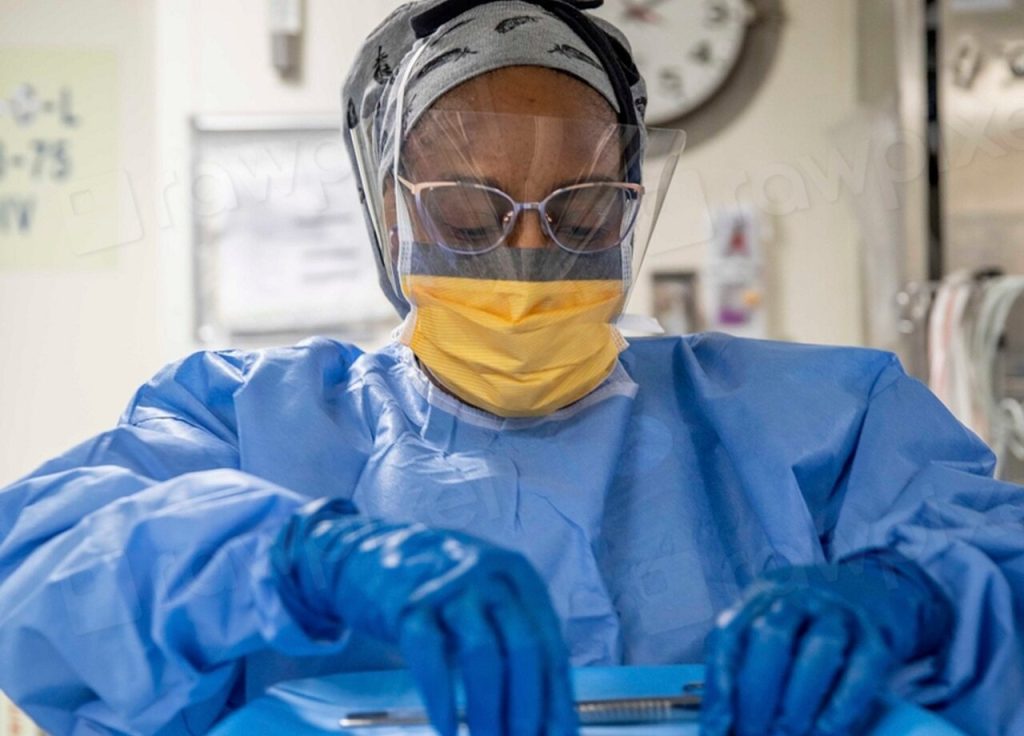
Reconstructive surgery aims to restore tissue and function lost through congenital differences, accidents, burns or cancer treatment — improving quality of life both functionally and aesthetically.
Fields of Application
Breast Reconstruction
Recreating the breast after cancer surgery using implants or the patient’s own tissue (autologous free flap), planned immediately or delayed, in coordination with the oncology team.
Burn Treatment and Burn Scar Repair
Grafts and flaps release contractures and repair scars that limit movement after burns.
Post-Trauma Reconstruction
Tissue loss and deformity after accidents are treated with reparative surgery and, when needed, microsurgery.
Congenital Differences
Surgical treatment of birthmarks and congenital skin and soft-tissue differences, planned with appropriate timing.
Pressure Sores and Chronic Wounds
Flap surgery closes long-standing wounds, reducing infection risk and enabling healing.
Planning
A stepwise reconstruction plan — primary closure, skin graft, local flap or free tissue transfer — is prepared for each patient according to the location and size of the defect and functional needs.
Frequently Asked Questions
Does breast reconstruction affect cancer treatment?
Reconstruction is coordinated with the oncology team so as not to delay treatment; suitable patients may have it in the same session as mastectomy.
Contact us to discuss suitable options.